
Best fit
- AI workflow engineering for operations-heavy product, support, and implementation teams.
- Internal tools, agent workspaces, and workflow automation.
- Solutions or implementation engineering where workflow judgment matters as much as code.
I build AI-assisted workflow tools for teams where correctness, auditability, integrations, and edge cases matter.

Case studies on the bigger builds: what the screens look like, how the system is put together, and which calls I'd defend in a review.
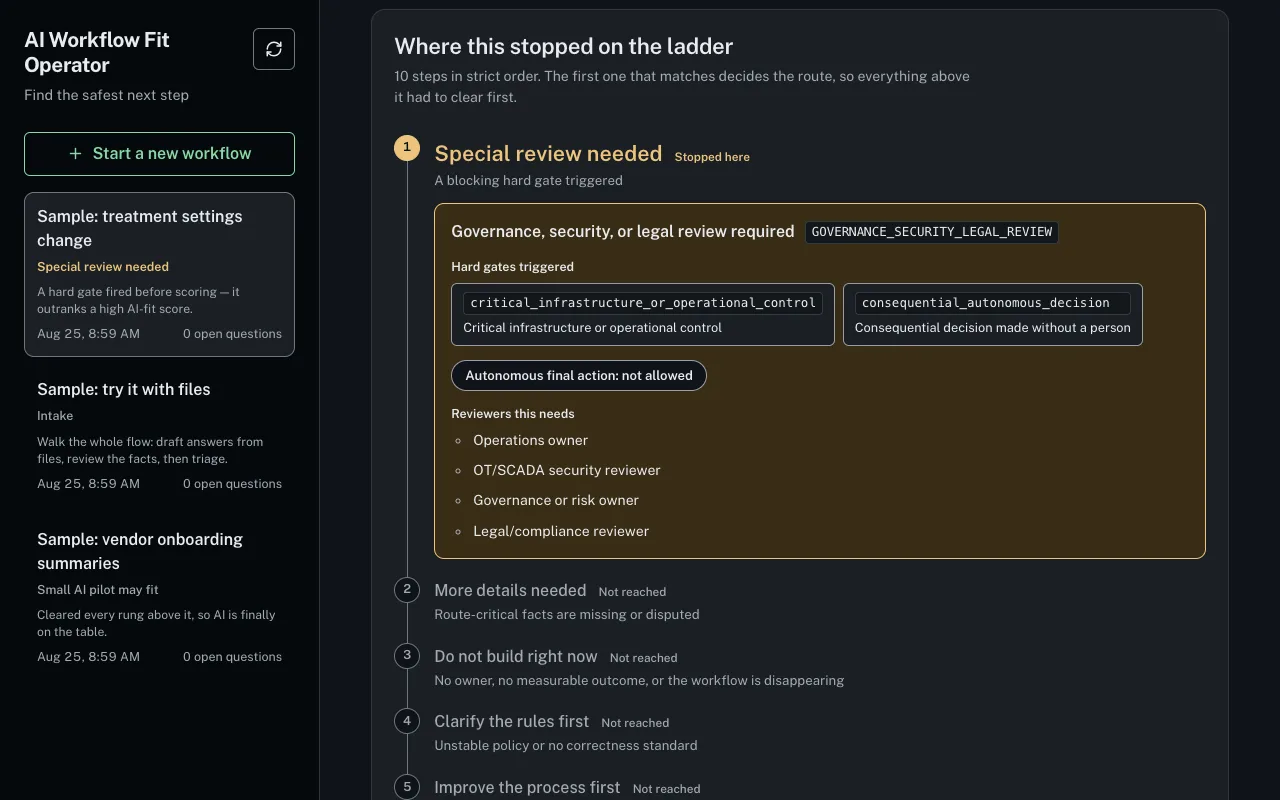
Ten possible recommendations, ranked, with AI at number nine. Four safety checks run before any scoring, and Claude never gets the last word.
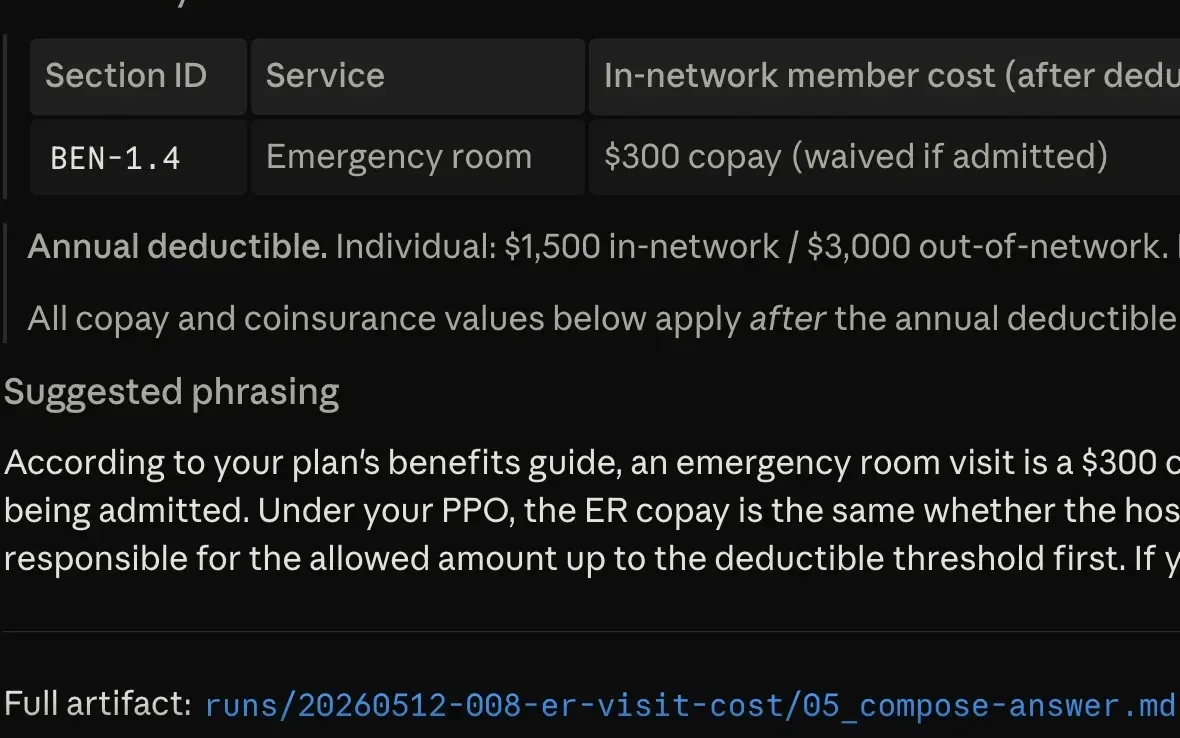
A rep types a member question and gets back the policy passage, quoted word for word, plus a line they can say out loud.
One customer account across two sites, with Stripe webhooks settling every purchase and 200+ migrated subscriptions that never noticed the move. It runs a real coaching business, not a demo.
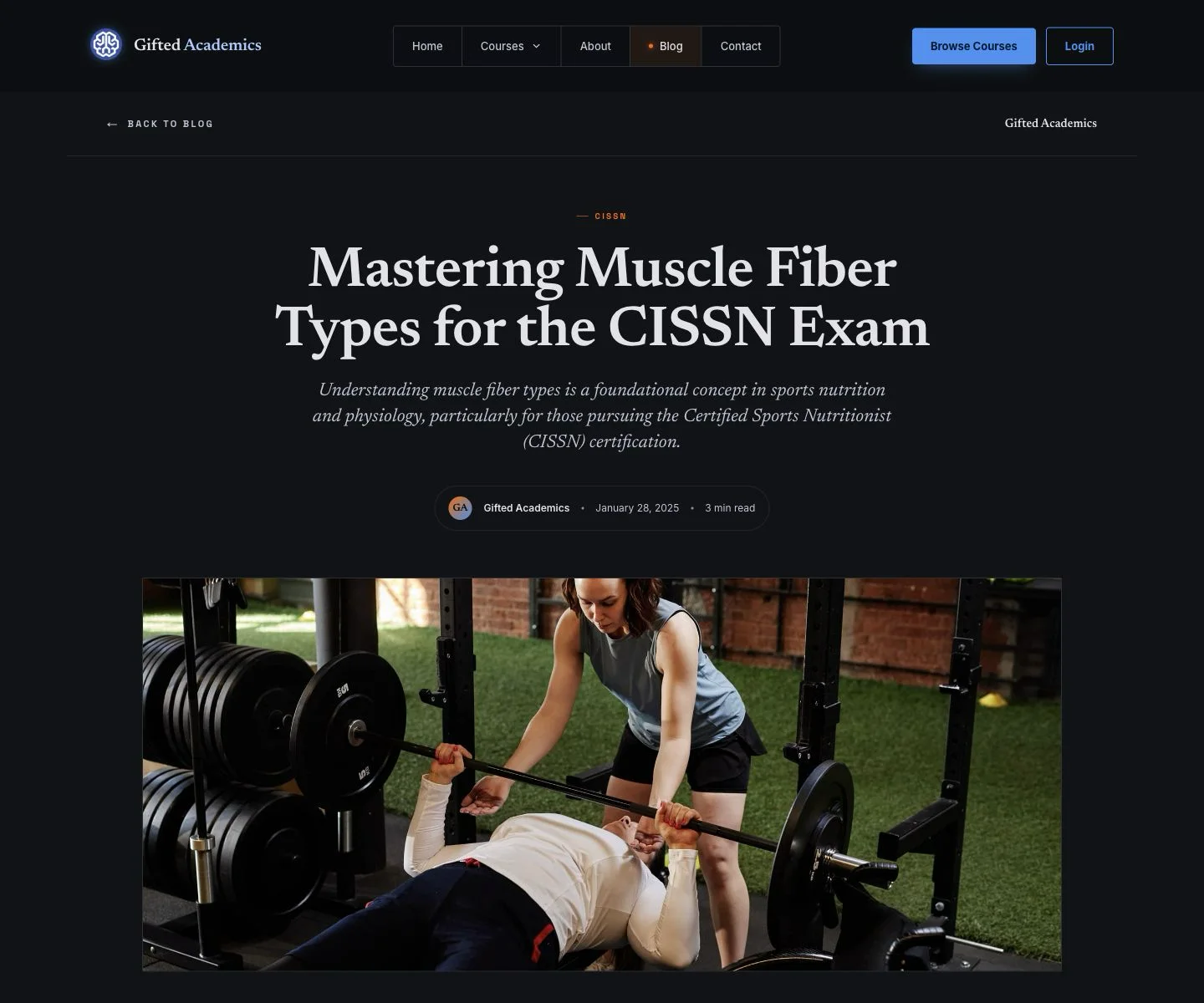
Picks a topic from the course textbook, drafts the post, checks it isn't a repeat, and publishes through a git commit. Every run leaves a trace file.
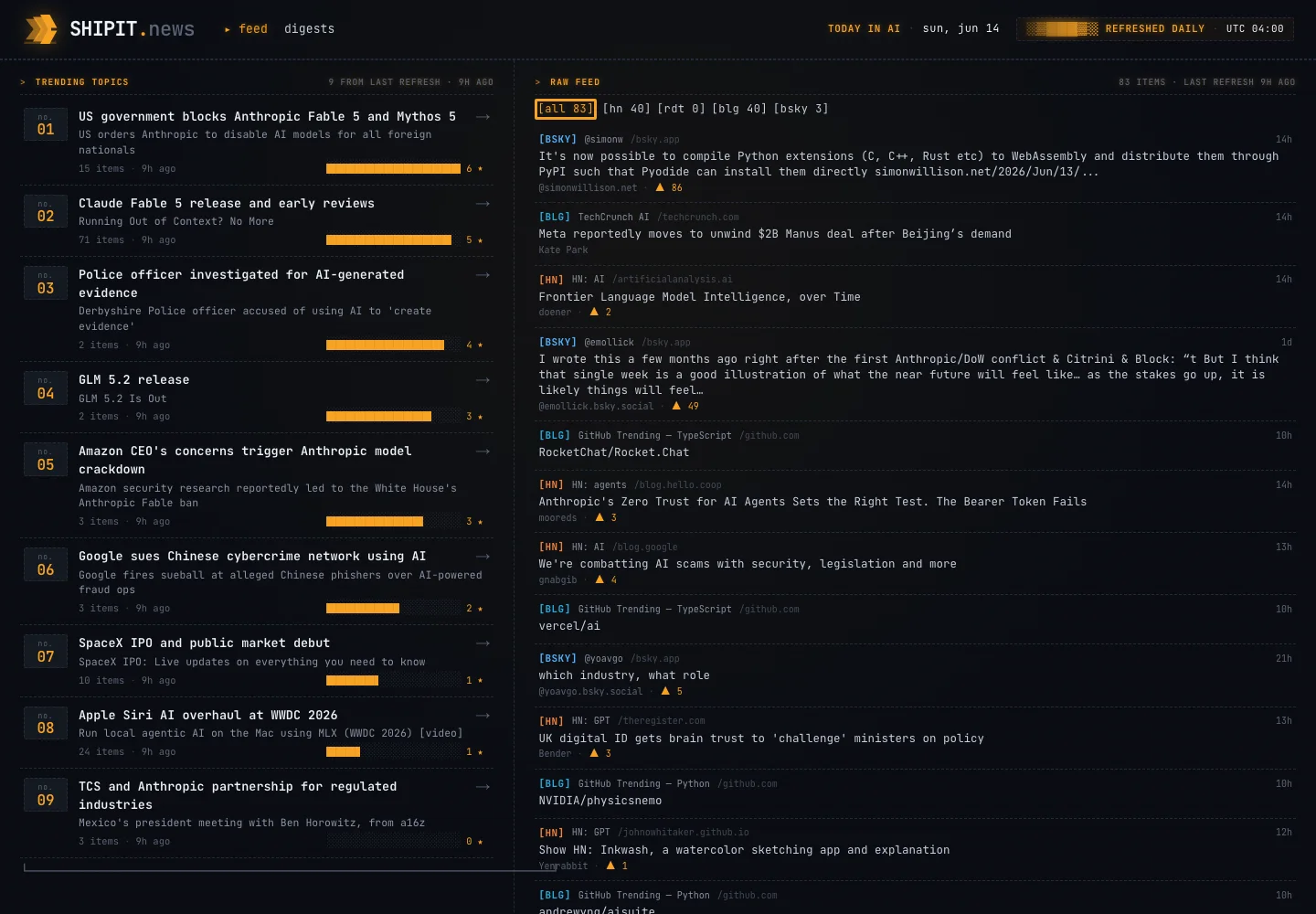
Pulls from five sources and has Claude group the last 72 hours into stories. Re-running it never duplicates a story, and every run writes what it cost.
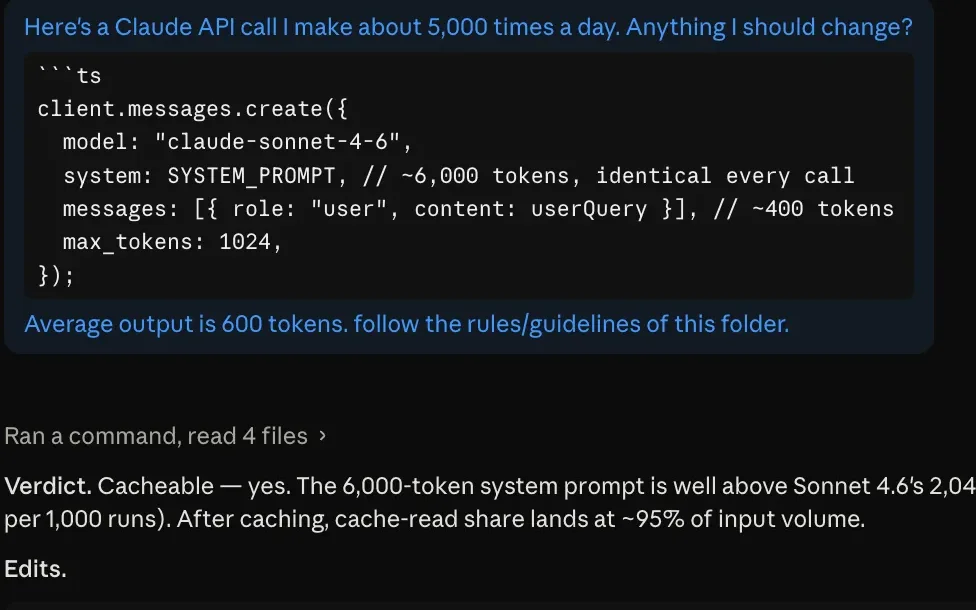
Paste in an API call and get back the caching fix, what it saves per thousand calls, and how sure the agent is. Its own rules grade the answer.
Everything above shipped in 2026. The judgment behind it didn’t — 10+ years of insurance and healthcare operations: enterprise proposal workflows, claims pipelines, and a storefront migration that moved 200+ live subscriptions without customers noticing.
Start from who actually does the work, who pays, who audits, and what breaks if you get it wrong. The tool choice comes last. The system will reflect the org chart whether you wanted it to or not, so it's better to do that on purpose.
A markdown vault holds the data models, service boundaries, edge cases, and known failure modes. That same vault is the prompt context for every agent run. If it isn't written down, the agent doesn't know it.
Claude writes most of the code. I drive the architecture, review the diffs, debug the integrations, and decide what actually ships. The acceptance bar stays mine.
I write the workflow model, data boundaries, acceptance criteria, and failure cases before the implementation run.
Throughput goes up on work that is already specified and down on anything ambiguous, so a fuzzy boundary costs more with an agent than without one. Watching for that is most of the job.
Before I care how an AI feature looks, I want to see where its answers came from, what it costs to run, and what happens when it is wrong.
A front-line seat taken on purpose: it's the domain research behind the Healthcare Support Specialist project above. I work member and provider cases inside Epic Tapestry, Microsoft 365, and our case management tools, under HIPAA — tracking service requests from intake through close, flagging the recurring workflow issues to leadership instead of just absorbing them, and backing up the Help Desk on escalations and system questions.
Built a coaching SaaS from scratch: two Next.js sites sharing one Clerk identity, on Stripe, Sanity, Postgres on Neon, Bunny, Resend, and Shippo. Made the calls on shared auth across both sites and the webhook-driven Sanity→Stripe sync. Migrated 200+ active subscriptions off the old WooCommerce storefront without losing SEO, accounts, or order history. Also run the day-to-day business: subscriptions, payments, support, marketing.
Owned the insurance proposal workflow end to end for enterprise Employer Group and Association clients: RFP intake, data analysis, final report. Coordinated documentation and approvals across carriers, agents, and internal teams in CRM and Asana. Built the SOPs and templates the team actually ran on. Doubled as first-line IT for software, hardware, and networking.
Diagnosed hardware, software, and networking issues for end users, on site and remote. Wrote the tutorials and ran the trainings on Microsoft Office, email, and Adobe. Handled IT inventory, company assets, scheduling, and payroll.
10+ years in insurance and healthcare operations. Proposal workflows, claims pipelines, broker tooling, the compliance edges. The kind of domain where the edge cases are the product.
That background is the part I'd actually bet on. I'm not trying to look like a generic AI builder. What I'm good at is taking messy, integration-heavy operational workflows and turning them into software a hiring team can inspect in an afternoon and trust.
Concretely: judgment about what to build vs. what to buy, a feel for where systems quietly fall apart under real load, and the habit of writing the spec before the code. Claude Code is a multiplier on top of that. It isn't a substitute for any of it.